10 Best TV Antennas For Campers
From leading brands and best sellers available on the web.By clicking on a link to a third party's website, log data is shared with that third party.

Related Products
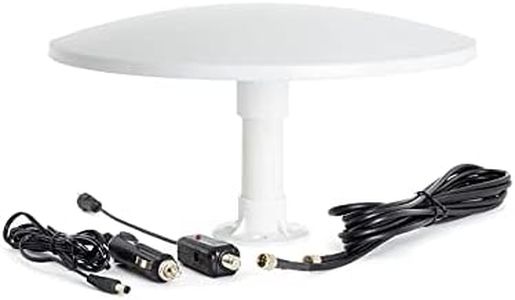
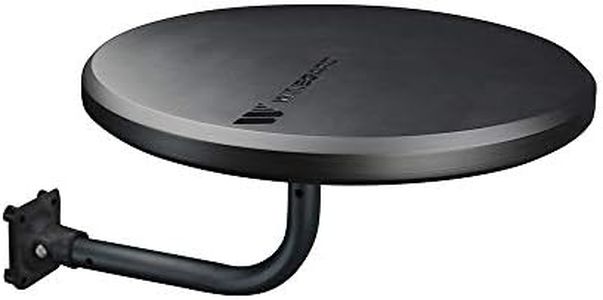
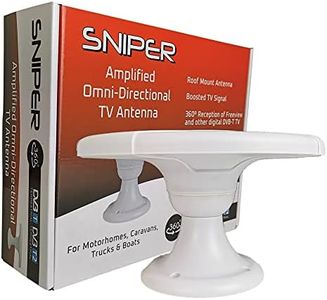
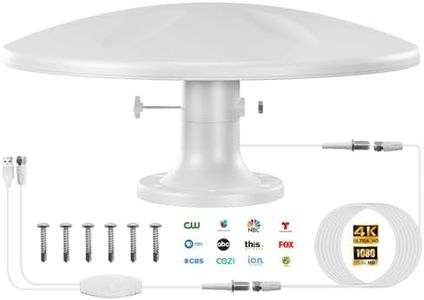

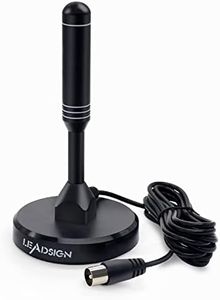
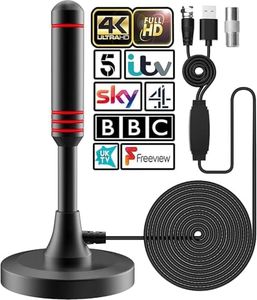
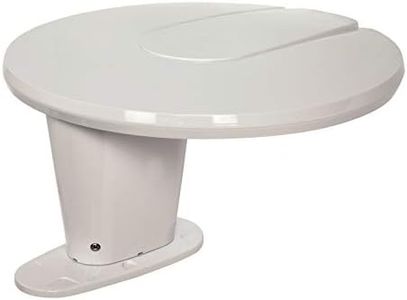
Buying Guide for the Best TV Antennas For Campers
Choosing the right TV antenna for your camper can significantly enhance your travel experience by ensuring you have access to your favorite shows and channels no matter where you are. When selecting a TV antenna, it's important to consider several key specifications to ensure you get the best reception and performance for your needs. Here are the key specs to look for and how to navigate them.Antenna TypeTV antennas come in various types, including indoor, outdoor, and portable models. For campers, portable antennas are often the best choice as they are designed to be easy to set up and take down. They can be mounted on your camper or placed on a tripod. Outdoor antennas generally offer better reception but may require more installation effort. Indoor antennas are compact and easy to use but may not provide the best signal in remote areas. Consider where you will be camping and how much effort you want to put into setting up your antenna.
Signal RangeThe signal range of an antenna indicates how far it can pick up broadcast signals from TV stations. This is crucial for campers who may be traveling to areas with varying signal strengths. Antennas with a longer range (50 miles or more) are ideal for remote locations, while shorter ranges (under 50 miles) may suffice for areas closer to urban centers. Assess your typical camping locations and choose an antenna with a range that matches your needs.
Frequency BandsTV antennas can receive signals on different frequency bands, primarily VHF (Very High Frequency) and UHF (Ultra High Frequency). Some antennas are designed to pick up both bands, which is beneficial for getting a wider range of channels. If you want access to more channels, look for an antenna that supports both VHF and UHF. If you know the specific channels you want to watch, check which frequency band they broadcast on and choose accordingly.
AmplificationAmplified antennas come with built-in signal boosters that enhance reception, especially in areas with weak signals. This can be particularly useful for campers who often find themselves in remote locations. However, amplified antennas can sometimes pick up more interference. If you frequently camp in areas with poor signal strength, an amplified antenna might be a good choice. If you camp in areas with strong signals, a non-amplified antenna may be sufficient.
Size and PortabilityThe size and portability of the antenna are important considerations for campers. Smaller, more portable antennas are easier to store and transport, making them ideal for frequent travelers. Larger antennas may offer better reception but can be cumbersome to set up and store. Think about how much space you have in your camper and how often you will be moving the antenna. Choose a size that balances performance with convenience.
DurabilityDurability is key for any equipment used in camping. TV antennas should be able to withstand various weather conditions, including rain, wind, and extreme temperatures. Look for antennas made from robust materials that are designed for outdoor use. If you camp in harsh environments, prioritize durability to ensure your antenna lasts longer and performs reliably.