We Use CookiesWe use cookies to enhance the security, performance,
functionality and for analytical and promotional activities. By continuing to browse this site you
are agreeing to our privacy policy
10 Best Tp Link Cameras
From leading brands and best sellers available on the web.By clicking on a link to a third party's website, log data is shared with that third party.

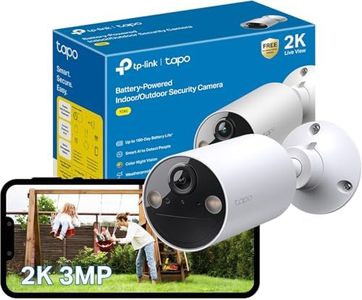
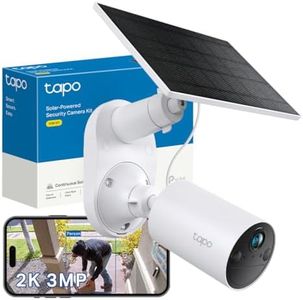
Related Products
Up to 40% off
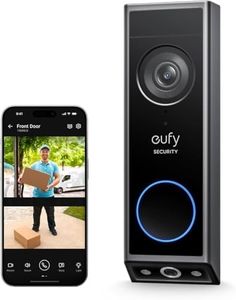
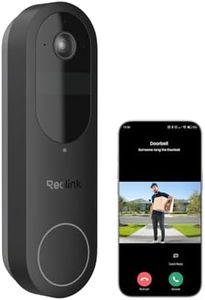
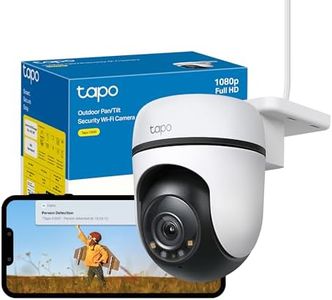

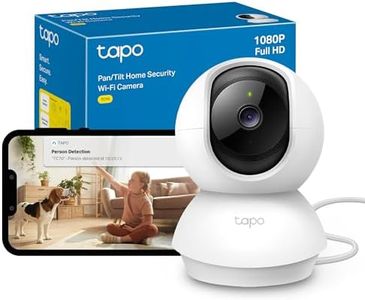
Buying Guide for the Best Tp Link Cameras
When choosing a TP-Link camera, it's important to consider your specific needs and the environment where the camera will be used. Whether you're looking for a security camera for your home, office, or outdoor area, understanding the key specifications will help you make an informed decision. Here are some essential specs to consider and how to navigate them.ResolutionResolution refers to the clarity and detail of the video captured by the camera. Higher resolution means clearer and more detailed images. Common resolutions include 720p, 1080p, and 4K. If you need to identify faces or read license plates, opt for 1080p or higher. For general monitoring, 720p may suffice.
Field of ViewField of view (FOV) is the extent of the area that the camera can cover. A wider FOV allows the camera to capture more of the scene. FOV is usually measured in degrees, with typical values ranging from 90 to 180 degrees. Choose a camera with a wider FOV if you need to monitor large areas, such as a backyard or parking lot.
Night VisionNight vision capability allows the camera to capture clear video in low-light or dark conditions. This is crucial for 24/7 surveillance. Night vision is typically measured by the distance the camera can see in the dark, such as 30 feet or 100 feet. Consider your environment and choose a camera with sufficient night vision range for your needs.
ConnectivityConnectivity options include wired and wireless cameras. Wired cameras offer stable connections but require more installation effort. Wireless cameras are easier to install and can be placed anywhere within Wi-Fi range. If you prefer flexibility and ease of installation, opt for wireless cameras. Ensure your Wi-Fi network is strong enough to support the camera.
Storage OptionsStorage options determine how video footage is saved. Common methods include local storage (SD cards) and cloud storage. Local storage is cost-effective but may require manual management. Cloud storage offers remote access and automatic backups but may involve subscription fees. Choose based on your preference for convenience and budget.
Motion DetectionMotion detection allows the camera to alert you when movement is detected. This feature is important for security purposes. Sensitivity levels can vary, so choose a camera with adjustable settings to avoid false alarms. If you need real-time alerts for specific areas, ensure the camera has reliable motion detection capabilities.
Audio FeaturesAudio features include two-way audio, which allows you to communicate through the camera, and audio recording. Two-way audio is useful for interacting with visitors or deterring intruders. Audio recording can provide additional context to video footage. Consider these features if you need to communicate or gather more information from the surveillance.
Weather ResistanceWeather resistance is crucial for outdoor cameras. Look for cameras with an IP rating, which indicates their ability to withstand dust and water. For outdoor use, choose a camera with a high IP rating, such as IP65 or higher, to ensure durability in various weather conditions.