We Use CookiesWe use cookies to enhance the security, performance,
functionality and for analytical and promotional activities. By continuing to browse this site you
are agreeing to our privacy policy
10 Best Soft Mattress Toppers
From leading brands and best sellers available on the web.By clicking on a link to a third party's website, log data is shared with that third party.
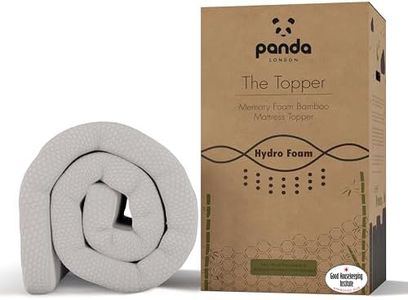
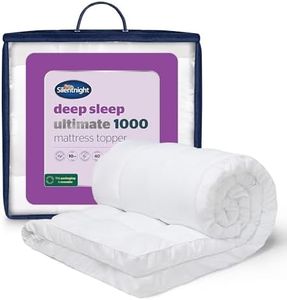
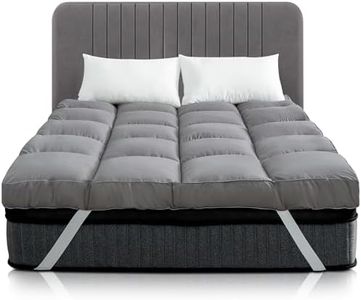
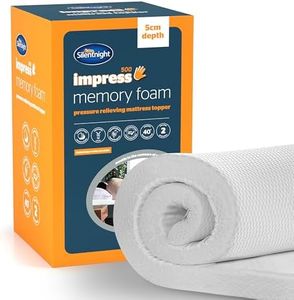
Related Products
Up to 45% off

Recommended lists


Buying Guide for the Best Soft Mattress Toppers
Choosing the right soft mattress topper can significantly enhance your sleeping experience by adding an extra layer of comfort and support to your existing mattress. A mattress topper can help alleviate pressure points, regulate temperature, and extend the life of your mattress. When selecting a mattress topper, consider your personal comfort preferences, sleeping position, and any specific needs such as back pain relief or temperature regulation. Understanding the key specifications will help you make an informed decision that aligns with your sleep requirements.MaterialThe material of a mattress topper is crucial as it determines the feel, support, and durability. Common materials include memory foam, latex, down, and wool. Memory foam is known for its contouring properties and pressure relief, making it ideal for those with joint pain. Latex is more responsive and cooler, suitable for those who prefer a bouncier feel. Down and wool offer a plush, soft feel and are great for those who want a natural option. Consider your comfort preference and any allergies when choosing the material.
ThicknessThickness affects the level of softness and support a topper provides. Toppers typically range from 1 to 4 inches thick. A 1-2 inch topper adds a slight layer of softness and is suitable for those who want minimal change. A 3-inch topper offers a noticeable difference in comfort and support, ideal for side sleepers or those with pressure point issues. A 4-inch topper provides maximum softness and is best for those who need significant cushioning. Choose a thickness based on how much change you want in your mattress feel.
DensityDensity refers to the weight of the material per cubic foot and affects the durability and support of the topper. Higher density toppers (4-5 lbs/ft³) offer more support and are more durable, making them suitable for heavier individuals or those needing more support. Medium density (3-4 lbs/ft³) provides a balance of comfort and support, ideal for most sleepers. Lower density (2-3 lbs/ft³) is softer and less durable, suitable for lighter individuals or those who prefer a plush feel. Consider your body weight and support needs when selecting density.
Temperature RegulationTemperature regulation is important for maintaining a comfortable sleep environment. Some materials, like memory foam, can retain heat, while others, like latex or gel-infused foam, offer better breathability and cooling properties. If you tend to sleep hot, look for toppers with cooling features such as gel infusions, open-cell structures, or breathable covers. If you prefer a warmer sleep environment, a topper made of wool or down might be more suitable. Consider your typical sleep temperature and choose a topper that aligns with your needs.
Allergy ConsiderationsFor those with allergies, the material of the topper can be a significant factor. Hypoallergenic materials like latex and certain memory foams can help reduce allergic reactions. Natural materials like wool are also resistant to dust mites and mold. If you have allergies, look for toppers labeled as hypoallergenic and consider materials that naturally resist allergens. This will help ensure a healthier sleep environment.